
All that lives, dies; or, as that great mid-twentieth-century songwriter Jim Morrison put it, “no one gets out of this world alive.”
The curse and blessing of human consciousness is that we know the darkness is coming. Other animals mourn their losses, but so far as we know, humans are the only animals who know in advance that our deaths are imminent and unavoidable. It can be argued that all human culture is a response to this unbearable knowing, our attempts to defy the darkness and leave something behind when we slip into it. We don’t need to be Freudians to know that Eros and Thanatos are locked in an ongoing dance in our lives. We dance with them over our own graves, and beside the death beds of those we love. And art, culture and all the best of human creation are the measures of the dance’s music.
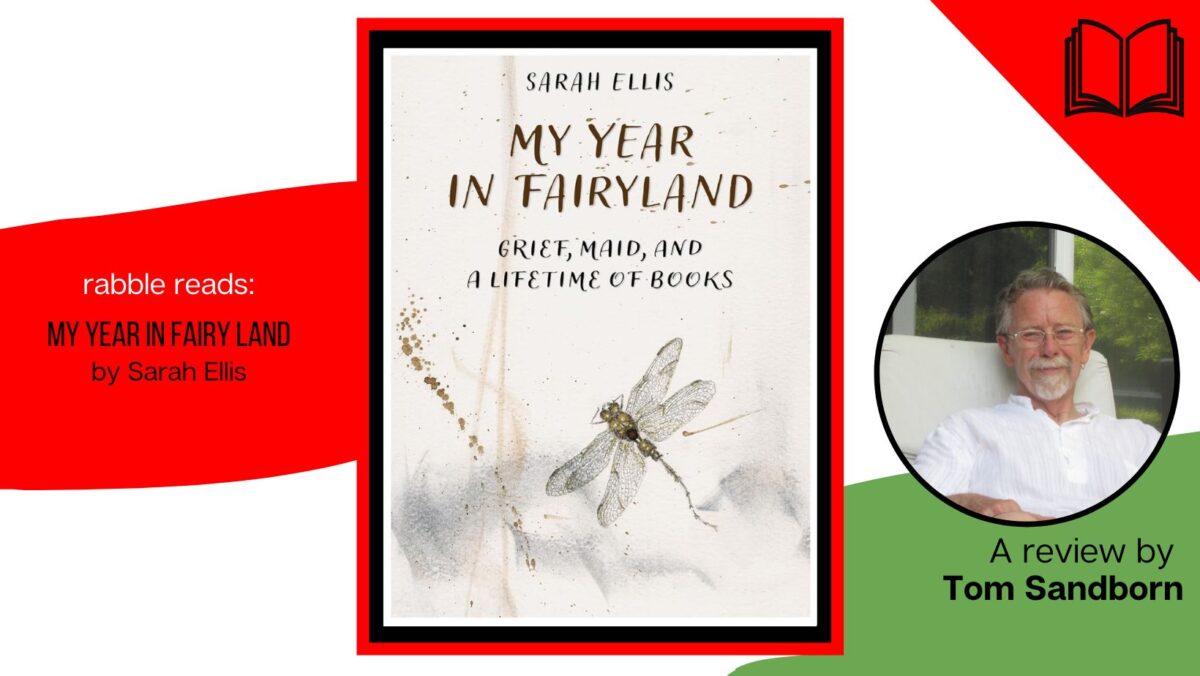
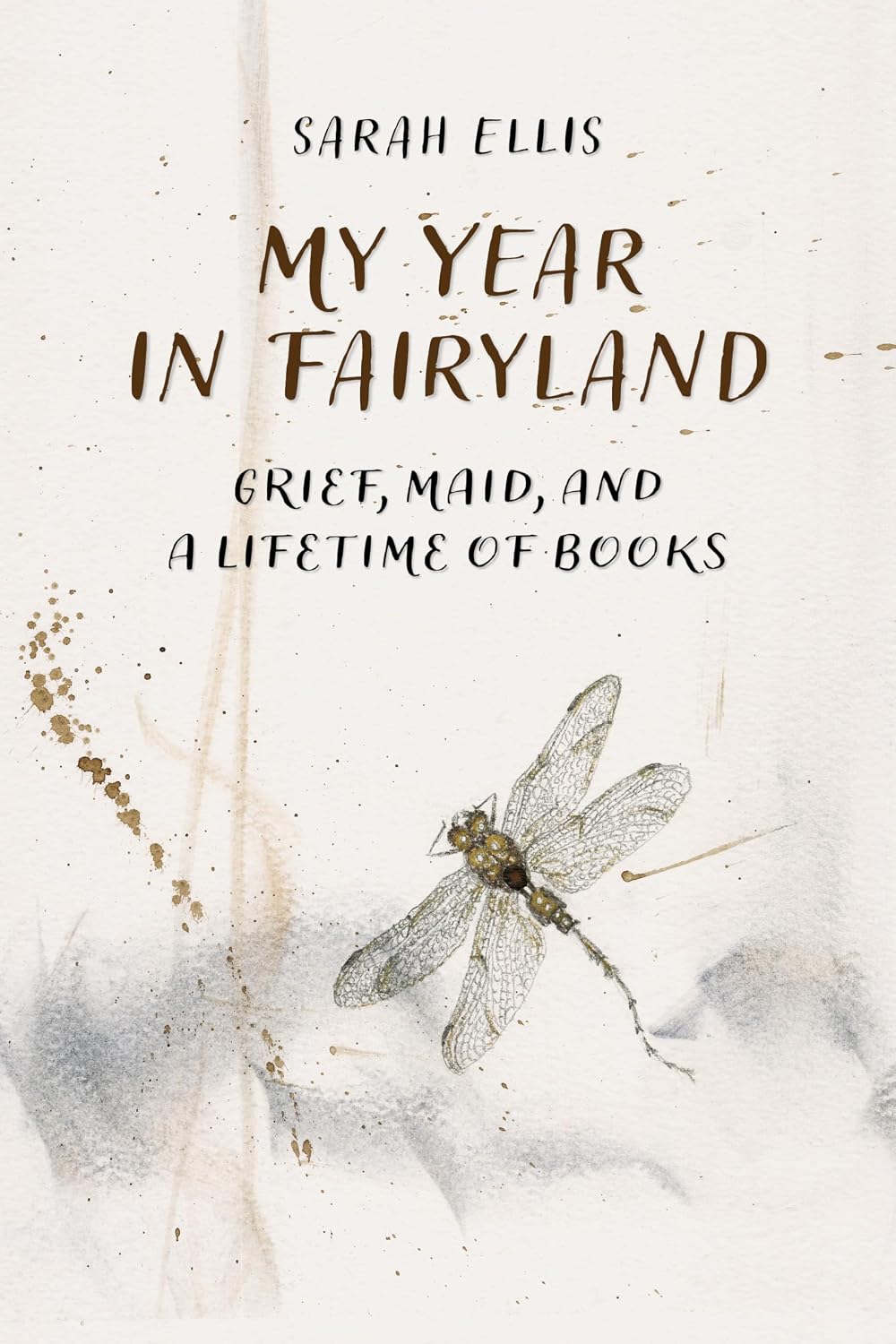
The Vancouver based and highly esteemed children’s writer Sarah Ellis learned this luminous and terrible lesson as she accompanied her beloved spouse Sherry to her medically assisted death in Switzerland. Her splendid new book My Year in Fairyland is an account of their lives together in the dozen years they had, and how they prepared for Sherry’s chosen end.
The year in fairyland referenced in the title is the final year they had once the MAID ( Medical Assistance in Dying ) procedure, denied to Sherry under Canada’s then more restrictive MAID regime because her death was not “imminent” enough, had been scheduled. (Full disclosure. Like many writers and readers in Vancouver, I have been aware of Ellis for years, and have some friends in common with her. I was on the board of directors of the BC Civil Liberties Association when it campaigned to win the right to MAID for Canadians, and I have been present at the MAID death of someone I loved, so Ellis’s reflections on the benefits and limitations of that legal reform are of particular interest for me.)
But you do not need to know the author or be close to the MAID policy debates in order to love this brave, vulnerable and beautiful text. Ellis has crafted a book that seamlessly links her private sorrows to her lifetime of reading and fascination with the literature of fairyland. And in the process, she has created something beautiful and strange, a celebration of Sherry’s unique and vivid personality and an erudite exploration of fairy literature, play theory and what reading and writing can do to soothe and illuminate our shared human plight here on the edge of the abyss.
There are many pleasures to be had from this lovely and loving text. It includes moments of surprising hilarity as well as homages to the writers Ellis has loved over a lifetime of avid, passionate reading. The account of Ellis listening in as children play and her reflections on the different forms of play available to us are both touching and instructive.
The world of books that Ellis references ranges from Homer to Chaucer to theorists of play like Johan Huizinga, (whose Homo Ludens is foundational to her understanding of the central role of play in human culture) to a wide array of books about fairies and fairy lore cited as she puzzles her way through a year of mourning in the grief altered state she calls Fairyland.
This book is an unlikely triumph. Ellis is clear that she is deeply suspicious of memoirs and of books about loss and grief, genres that are currently so fashionable (and too often triumphs of cheap therapy talk and new age woo woo.) But despite her reluctance about genre, she is a life long reader and writer, and in the end she turned to the craft she knew best as she wrote her way through memory and back to re-enter her new life without Sherry.
Some readers will think of Joan Didion’s The Year of Magical Thinking as they read Ellis’s book. The comparison is apt, as both books are elegantly written accounts of grief, loss and early gestures toward recovery. Both engage the most central and compelling mysteries of human life and both illustrate the healing power of the writer’s craft while never descending into the sentimental comforts of pop psychology and its meretricious promise of “closure.” Both, obviously, are worth reading. But for my money, Ellis manages this painful dance in a way that is deeper and less sour than Didion’s. Read both and decide for yourself. But by all means get your hands on Sarah Ellis’s masterpiece and read it for comfort, for profound reflection and for beautifully crafted sentences and paragraphs. Highly, highly recommended.
Support rabble today!
We’re so glad you stopped by! Thanks for consuming rabble content this year.
rabble.ca is 100% reader and donor funded, so as an avid reader of our content, we hope you will consider gifting rabble with a donation during our summer fundraiser today.

Whether it be a one-time donation or a small monthly contribution, your support is critical to keep rabble writers producing the work you’ve come to rely on as a part of a healthy media diet.
Become a rabble rouser — donate to rabble.ca today.
Nick Seebruch, editor
