

It has been said that improper waste management today will create long-term economic liabilities tomorrow: high cleanup costs, health-related expenses, loss of valuable resources.
Are these strong enough reasons to reduce waste and pollution?
Judging from present trends, perhaps not.
Short-term cost savings are a powerful incentive for corporations and governments to defer waste management and allow pollution to increase.
Waste can contain “valuable resources,” but separating these out can be more expensive than extracting new ones. Nutrients and organic matter in household waste can be returned to the land, but this is costly as well.
As for the heath-related expenses associated with irresponsible waste management, this becomes a concern for society at large, rather than for resource owners and managers.
Also, future generations do not vote today. This creates an added motivation to burden them with our waste, rather than dealing with it now.
Canada’s provincial governments “own” natural resources. To stimulate economic development, they often choose to allow resource depletion and pollution to occur at the maximum rate that people will accept.
Waste and pollution can eventually reach a level where impacts on health and property values become obvious, causing societal push-back. If this affects their electability, politicians may put pollution control and waste management regulations in place. But government regulation is unpopular. Corporations may abandon projects, or even entire technologies.
Governments and corporations, with their vested interest in the status quo, may therefore prefer to conceal the damage caused by waste and pollution.
A whole industry has sprung up around concealment, particularly of health impacts. Hiding the burdens of waste and pollution is profitable.
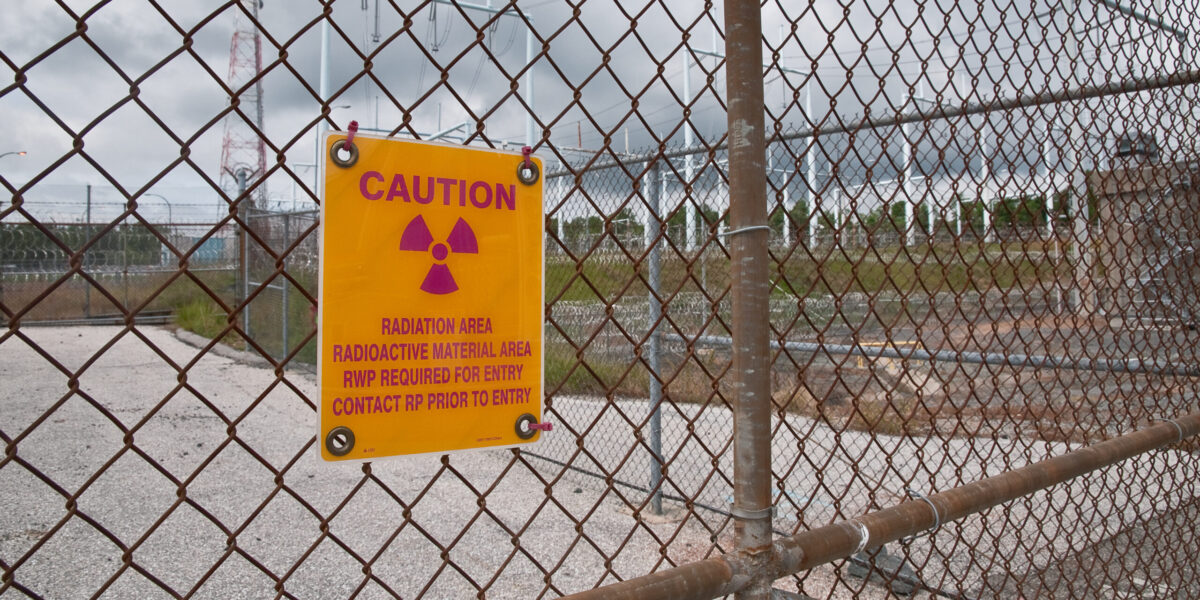
Consider the current push for more nuclear power. Even the existing radioactive waste inventory represents a massive burden for future generations. Governments, however, maintain that the waste problem has been solved. This allows more nuclear waste to be created with little public outcry or government oversight.
The full costs of managing nuclear waste, including highly radioactive used fuel rods, radioactive steel and concrete from reactor dismantlement, and radioactive gases and liquids emitted by operating reactors, are concealed.
Health costs of waste emitted during reactor operation are also concealed. A new study in Nature says “U.S. counties located closer to operational nuclear power plants experienced higher cancer mortality rates, with the strongest associations observed in older adults, particularly among males aged 65–74 and females aged 55–64.”
Nonetheless, the Government of Ontario is proposing a $400 billion expansion of nuclear power. It has already raised electricity rates by 29 per cent as an initial step to fund this expansion. It has changed regulations so that taxpayers must pay corporations in advance for nuclear projects that may never be completed.
The Ontario government has spent tens of millions of dollars on “It’s Happening Here” ads. Ontario’s auditor general considers these ads to be partisan. They call nuclear power “clean energy.”
At Ontario’s Darlington reactor site, the federal government has poured over $3 billion into a “small” nuclear reactor of unproven design. It calls this a “Project of National Interest.” A better term might be “Proof of National Insanity.”
Why is this happening here? Under one interpretation of the “polluter pays” principle, consumers are polluters. If our fellow citizens—perhaps the most affluent among us—consume energy and pollute in an uncontrolled and irresponsible manner, we all must pay.
We consume nuclear power. We consume fossil fuels and plastics. We effectively consume farms and woodlands, converting them into new developments and highways. This represents waste.
We pay a price: health care costs from breathing forest fire smoke and ingesting micro-plastics; cost of repairs to property damaged by floods and high winds; higher grocery bills aggravated by farmland loss; declining mental health associated with reduced access to natural spaces; air and water pollution; disappearing wildlife.
Although regulation saves money and lives, deregulation is a fundamental principle of neoliberal economics. In the name of economic growth, provinces and the federal government weaken laws and regulations that are needed to combat climate change, to properly assess new developments such as mines and nuclear reactors, to reduce waste, and to prevent species extinction.
We have the ability to stop this insanity. Braid Indigenous knowledge with western science. Use resources judiciously. Take only what is needed. Maintain what is good. Share with friends and neighbours. Respect nature.
Unfettered economic growth comes at too high a price. Let’s prioritize quality of life.
Support rabble today!
We’re so glad you stopped by! Thanks for consuming rabble content this year.
rabble.ca is 100% reader and donor funded, so as an avid reader of our content, we hope you will consider gifting rabble with a donation during our summer fundraiser today.

Whether it be a one-time donation or a small monthly contribution, your support is critical to keep rabble writers producing the work you’ve come to rely on as a part of a healthy media diet.
Become a rabble rouser — donate to rabble.ca today.
Nick Seebruch, editor

.jpg)