

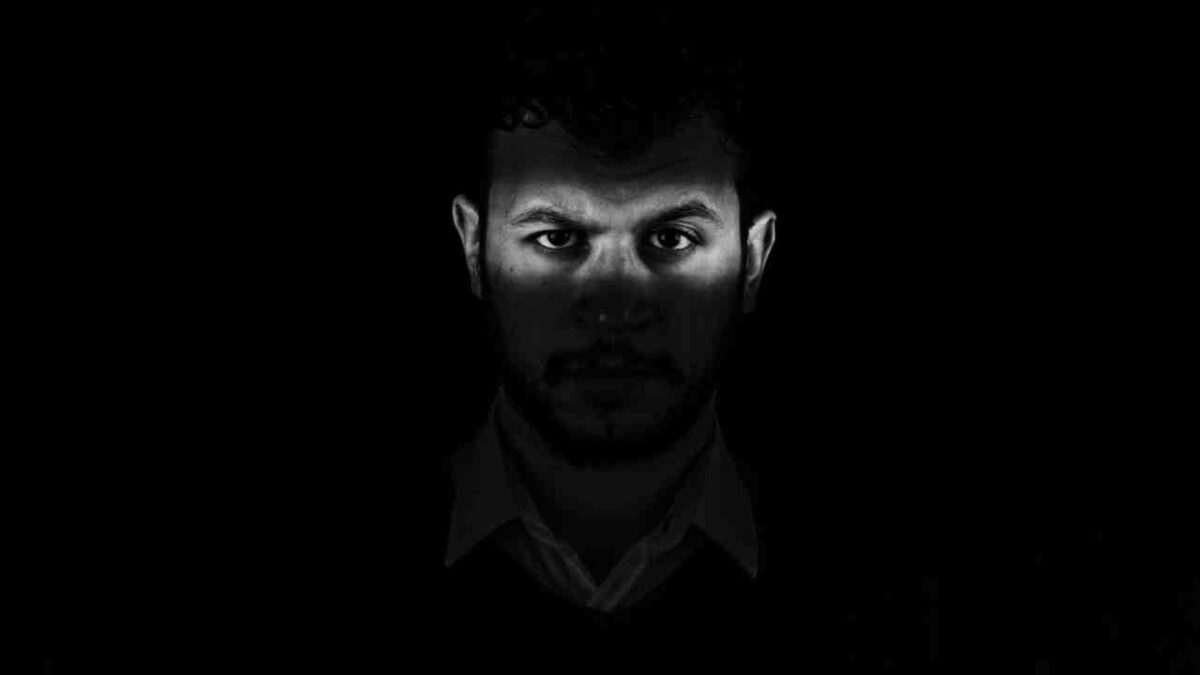
In the 19th century, the spectre haunting Europe was communism, or so Marx argued. In our century, a new spectre is as globalized as the economy, and its name is toxic masculinity. As a filthy, tang-coloured ooze of neo-fascism spreads over the globe, it brings with it a new popularity for online cults of toxic masculinity, resentful incels, armed militias and leaders who champion a hard bodied, hard hearted version of masculinity, violent and brutal. Looking at you, Trump, Vance, Putin and your minions.
This movement is explicitly racist, anti-feminist, anti-trans and anti-woman, and it poses some important questions. Is almost all masculinity toxic, as some feminist critics might argue? For example, in her pioneering work Sexual Politics, American feminist Kate Millett provides the materials for a persuasive case for this notion. and Anrea Dworkin provides further support for the case in her books, starting with Woman Hating.
More questions haunt me. What does it mean to be a man in the 21st century? Are all relationships we have as men suffused with competitiveness, misogyny, dread and the threat of violence? And finally, for those of us who live in the worlds of books and ideas, are there any answers to these questions to be found in art and culture?
Let me first say that I don’t approach these topics with any pretense of superiority to other men. Like most men who grew up in mid-century America, I was exposed to a lot of bad models and teachings about what it meant to be a real man- teachings from the larger culture and from my own semi-dysfunctional family. A man, I learned from my alcoholic father, drank heavily, disrespected women and took what he wanted, often through manipulation and duplicitous charm. From the culture I learned that a woman who had a lot of sexual partners was a slut, but a man with many sexual adventures was a stud, a player.
While I never really learned to perform mid-century masculinity very persuasively, I did learn the lessons well enough to be heedlessly sexist in my early relationships and subject women in my life to far too much selfish and misogynist behavior. I was not Harvey Weinstein, but I was, too often, a sexist asshole. I have tried over the years to apologize to those women and to make amends, but I have no illusions that gestures erased all the damage. “Walk like a Man” indeed! Feminist women and pro-feminist men helped me face and change these repellant behaviours. I am deeply indebted to them for their criticism and support.
And for another reason, beyond my own flawed behavior, this topic is intensely personal for me. At 26, my sister, Stella Candace Sandborn, was murdered in Sacramento California in 1979, almost certainly by a man performing one of this patriarchal world’s countless acts of femicide. She was most likely targeted simply because she was a woman, and her killer dumped her body, hands bound, underground. It was nearly two years after her disappearance that she was found,-and we were able to take her body home and bury her next to our mother. Can any book or cultural product speak to such loss and horror, or persuasively link it to a kind of masculinity?
Maybe so. Certainly, much of the western canon suggests that male bonding and “redemptive” violence are among its core tropes. Even our oldest surviving “novel,” The Epic of Gilgamesh, over 4,000 years old, perhaps history’s first buddy movie avant la lettre, circles agonizingly around these themes. In this version of the road trip narrative, the gods send Enkidu to Uruk to correct Gilgamesh the king’s bad behavior, which includes raping his subjects. In a scene echoed in countless songs, stories, films and novels since, the men bond by fighting each other and go on to travel into the wilderness and kill a monster and clear-cut a sacred forest. Not even the death of his now beloved companion dissuades Gilgamesh from his armed sorties into the world in a search for immortality. In braid, that will be repeated down the millennia, male bonding, mortal dread and violence are bound together like a garrote.
Later, in Homer’s Iliad, the death of his beloved Patroclus doesn’t persuade Achilles to renounce his glory- seeking adventures at the walls of Troy. In fact, he emerges from the tent where he has been sulking (over a dispute about who owned a captive Trojan woman!) and re-dons the armor that Patroclus wore into battle while he sulked. He seeks vengeance on the Trojan prince who killed his lover. After all, as Dashiell Hammett has his hard-boiled hero Sam Spade muse in The Maltese Falcon, “when your partner is killed, you have to do something.” Hammett was one of the founding fathers of the hard-boiled American detective fiction genre along with Raymond Chandler and James M. Cain in the early and middle decades of the 20th century. This is a genre that can plausibly be viewed, together with the noir movies it inspired, as an extended meditation on toxic masculinity, misogyny and violence. Portrayals of seductive, evil women abound, and allegiances are felt and betrayed primarily among men. Violence and death brood over everything. Surely there are some clues in this dark material to the ambiguities and mysteries of male bonding.
A remarkable new novel from Berlin based author Vijay Khurana is a good place to begin. Reading The Passenger Seat recently took me back to these questions and prompted this essay.
Khurana uses many of the classic tropes of the buddy road trip and crime novel/ true crime genres with a critical 21st century twist – think In Cold Blood meets Grand Theft Auto with the psychological complexity and moral anguish of Dostoevsky. And while shuffling those elements, he manages to create something altogether new, profound and subtle that puts each of the old genre elements into a new and heartbreaking light that illuminates some of the questions I am posing in this essay.
Khurana’s protagonists are a pair of half-formed boys/men growing up in a small North American town. The fiction is based loosely on a real tragedy that led to five deaths across northern BC and Manitoba in 2019.
This includes what appears to have been a suicide pact by two boys after they killed three other drivers on northern roads.) The boys run away from their small-town home and head north, following vague dreams of high paying work- men’s work. They meet and kill a tourist couple in an act of almost abstract violence reminiscent of Camus’s The Stranger, (which also includes a moment of male bonding as the protagonist testifies in support of a friend who has assaulted his mistress) then go on to commit one more murder before they die in a suicide pact. So far, so noir.
But Khurana is intent on doing something more subtle and nuanced here than the usual noir tropes of crime fiction and true crime. The author uses the difficult but powerful mechanism of free indirect discourse to take us into the squalid inner lives of Teddy and Adam as they hang out, jump from a local bridge into dark water, play video games, drink and brood about their insecure, fragile sense of what manhood means and what their friendship means. The tone is ominous from the first scene onward. For example, “As the friends fall, rocks and shallows rise to meet them, except in the darker place they have aimed for.”
Khurana uses an apocryphal quote attributed to Norman Mailer as one of his book’s epigraphs, and it too contributes to the sense of menace and impending doom that haunts the boys as we get to know them. The quote, “When two men say hello on the street, one of them loses,” signals the central role of competitiveness and unspoken but profound and potentially lethal homophobia that will play out when these two friends take to the road. The boys are acutely aware of each other physically, and at the same time willfully blind to any flashes of desire that might light up that awareness. This tension is never made explicit, but it lurks beneath the surface of the dark waters of their lives and is one of the elements that turns their fraught journey toward death.
The novel is paradoxical in its impact. It vividly renders the boys’ impoverished, numbed and squalid inner lives without any major lapses into gory deaths, polemics or explicit exposition. It reads like a horror story read in a deadened voice, all the more horrific for its quiet tone. Only one of the acts of violence is shown directly, while the others occur “off stage.”
In another artful move, Khurana provides a coda to his main narrative that shows two older men in the town where the boys grew up sharing moments of male bonding and collusive sexism. Ron, who was having an affair with Teddy’s mother before the boys’ lethal road trip two years before, celebrates his birthday with a friend ironically named Freeman. This ironic naming echoes an earlier name irony, with one of the boys sharing a name with the biblical “first man.” The action, such as it is, is rendered through free indirect narration from within Ron’s consciousness, and over a drunken evening and hungover morning after, Ron thinks guiltily about an earlier incident when he became aware of his friend’s violence against his wife and did nothing about it. This smaller scale, male-bonding- inspired silence is an indirect comment on the silences and anguish the reader has witnessed as Adam and Teddy conduct their doomed road trip.
The coda’s effect is almost musical as it suggests harmonies and rhymes between the two narratives of toxic male bonding and collusion in violence. The structure of the book and its lyrical prose combine to make telling points about toxic male bonding and its relationship to sexist violence, all without any counterproductive lecturing or explicit judgements. The magisterial way that Khurana uses the classic elements of noir crime writing to challenge and subvert those very elements is impressive and strange- a bit like a violinist picking up a Stradivarius and playing Schoenberg instead of classical.
Two other recent publications in the noir genre provide ways to reflect on the relationship between the genre and sexist violence. Vancouver writer Sam Wiebe’s new Wakeland novel, The Last Exile, is set in Vancouver and like all of Wiebe’s work delivers a beautifully crafted homage to the classics of the genre. While the rogue’s gallery of outlaw bikers that ride through the book illuminate the links between toxic masculinity and violence in dramatic terms, and while the protagonist’s loyalty to his partner echoes that of Sam Spade and other noir heroes, Wakeland’s use of genre tropes, while expert and entertaining, lacks the critical depth and psychological darkness of Khurana’s management of the same motifs. If Khurana’s work is Schoenberg on a Stradivarius, Wiebe is that same instrument playing Brahms. Both delight, but one has more emotional heft and intellectual complexity.
George Pelecanos, like Wiebe, is a modern master of the noir form. He has produced a long series of pitch perfect, semi-autobiographical novels set in Washington DC’s ethnic and Black communities outside the Beltway. He’s gone on to a successful TV screenwriting and producing career for shows like The Wire, Treme and The Deuce.
In the title story of his most recent publication, the story collection Owning Up, he presents a powerful narrative of male bonding in both its toxic and non-toxic forms. While not without its grim and dispiriting moments, Owning Up represents the noir genre turned against its usual commitment to misogyny and violence. His protagonist here, Nikos, is a kid torn between his loyalties to a pair of older men in the violent shadow of a now little-remembered event, the Hanafi Muslim occupation of a DC building in 1977.
Nikos, like the protagonists of The Passenger Seat, is baffled by his own emerging sexuality and the whole vexing question of what it means to be a man. One of the older men who influences him is a seedy white hipster, Ray, who entangles him in daytime burglary that veers close to violence. Ray encourages Nikos to view Mindy, a girl he is dating, as “trim,” there to be pressured, used and abandoned. The other influence on Nikos as he muddles his way toward manhood is Ed, a black man who despises Ray and urges the kid to break his connection to Ray and treat his girlfriend with respect. Ed is instrumental in protecting Nikos from the worst of Ray’s influence, but not before the young man has followed Ray’s squalid advice about pressuring and objectifying his girlfriend.
All of this is viewed retrospectively, as Nikos, now an aging but successful writer, looks back on that formative moment in the 70s and tries to “own up” to his own sexist exploitation of Mindy and other women. It is an altogether plausible, non-polemic exploration of male bonding in all its ethical complexity. The bond between Ed and Nikos is a working model of one kind of healthy, non-toxic male bonding and a heartening change from the poisoned ideological “testosterone” so often administered by the noir genres.
In a scene that is the dramatic and ethical core of the story, Ed tells Nikos:
“You need to treat that young lady with respect. I heard you talking to Ray about her one day, how you got with her in the back seat of your car….Yeah, that’s right. Bragging on what you did. Why you telling on her like that?”
It is a challenge that stays with Nikos and informs his later maturity and ethical growth. So, we have at least one powerful literary representation of healthy male bonding between an older man and the young man he mentors. How about healthy peer male bonding?
Although Pelecanos does not explicitly reference the feminist critique of toxic masculinity in his powerful, subtle and moving short story, it remains an evocative subtext, informing his protagonist’s reflections. Another artist who has recently fused noir tropes with an expansive critique of patriarchal masculinity (aka toxic masculinity) is the American spoken word poet and performer Steve Connell, whose We Are the Lions was commissioned by the YWCA for an anti-violence program called AMEND, designed to promote healthy male bonding against, not for violence against women.
In We Are the Lions, the performer is seen alone in an empty loft space, wearing a tough guy jacket and seriously cropped tough guy hair. His opening lines establish his continuity with the bog-standard toxic masculinity we all grew up with. He begins:
“I don’t have a problem with pornography.
I mean, I don’t get upset when I see sexually exploitative commercials.
In fact, those are usually my favorite ones.
I mean I don’t know what her ass has to do with my hamburger, but I’m going to drive through the very next day.
I don’t have a problem with violent movies or images or the word bitch.
I don’t have a problem with jokes about women.
In fact, I freely admit there are times where I sit back with my fellas and kick back, talk about some bitch and how I wish I could hit that, talk openly in public places, unconcerned if your kids laugh.
I mean, it’s just words, just jokes, just dudes talking shit that you never expect is going to get back.”
But then the performance takes a surprising turn, as he says:
However, I do have a problem with violence and cruelty and rape and abuse and even if we know it’s just me, it’s just you, it’s just a few harmless jokes between me and my dudes, that still perpetuates a culture where it’s easy to confuse the link between the jokes and the bruise.
Between her getting choked and what’s just jokes between dudes.
And if there’s a connection between the things I don’t have a problem with and the things that I do then perhaps I need to rethink my views on the way we view women and how many views sexually exploited images get on YouTube.”
He goes on to tell a story about a village attacked in the night again and again by lions, lions who kill only women and children. The men of the village stay up to “protect” the innocent, but the next morning there are more victims. Slowly, the men come to realize that they are the lions, the monsters they fear are alive within them, alive to emerge in the dark and ravage.
“And we are the lions time and again.
And if we aren’t the lions, we’re on their side too often standing proudly in defense of the pride.
Perhaps afraid that if we stand with women against the lion we will, ourselves, be devoured.
And so ironically to prove we aren’t cowards we become cowards.
To prove we aren’t weak we become weak.
To prove we are still lions we become sheep, unwilling to do the one thing that must be done, speak.
And our silence chokes as heavy as hands.
It stings and every black eye, where men stand violence, lives or dies.
And that is why they call this just a women’s issue?”
Like Khurana, Connell uses the tropes of toxic masculinity and them turns them inside out, with Connell notably issuing a challenge to his fellow men to stand with women against misogyny and all its insults, assaults and erasure, to actually value a lived human decency among men that is not built on the backs of women. This is an invitation to a bearable human future in which men and women can live together without subjection and assault. It may seem to some a utopian invitation, given how woven into our culture toxic masculinity is: it is no accident that a group of lions is called a pride. As men, we can, writers like Pelecanos and Khurana and Connell suggest, step away from our complicity and silence and into a more fully human solidarity that is far better than pride of place. We can stop being lions and start living as human beings.
It seems, as Ghandi commented about “western civilization, “worth a try.”
A version of this column originally appeared in The Tyee.
Support rabble today!
We’re so glad you stopped by! Thanks for consuming rabble content this year.
rabble.ca is 100% reader and donor funded, so as an avid reader of our content, we hope you will consider gifting rabble with a donation during our summer fundraiser today.

Whether it be a one-time donation or a small monthly contribution, your support is critical to keep rabble writers producing the work you’ve come to rely on as a part of a healthy media diet.
Become a rabble rouser — donate to rabble.ca today.
Nick Seebruch, editor
