
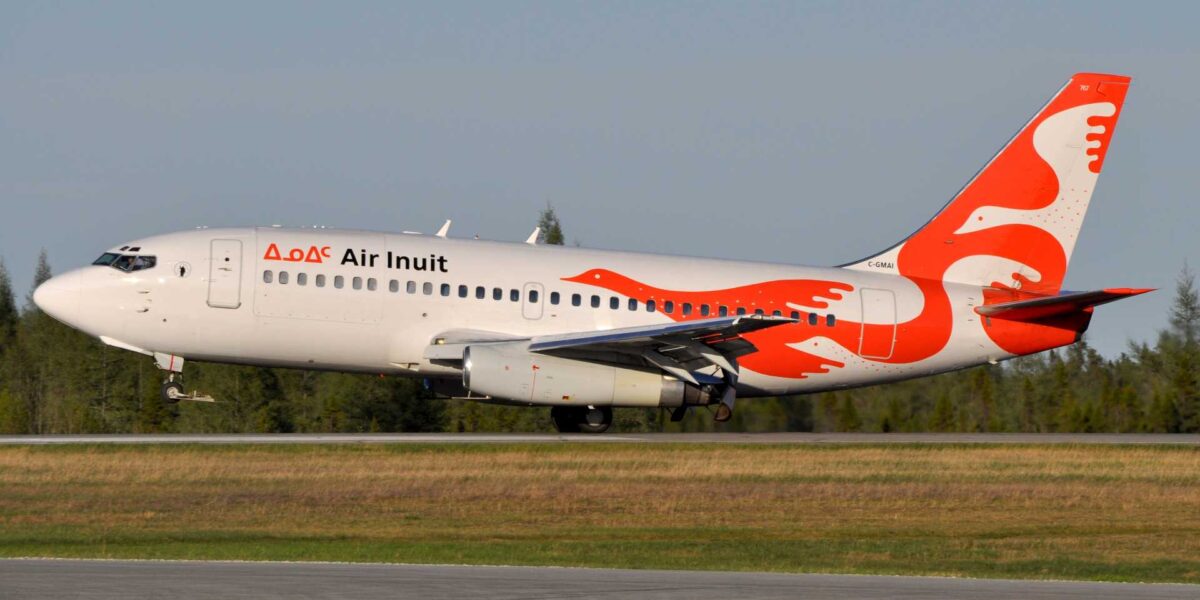
Pilots with Air Inuit are preparing the communities they serve for potential work stoppages as the conciliation process drags on. Air Inuit pilots have been working without a contract since June 2023.
Pilots, represented by the Air Line Pilots Association (ALPA), filed for conciliation in June. A release from ALPA states that the pilots’ main demands surround wages and improved quality of life through predictable schedules. The conciliation process officially began on June 30, 2025.
In an open letter to northern communities, Air Inuit pilots assured their passengers that they will do their best to minimize disruptions, but their demands are ultimately in the best interest of passengers.
Air Inuit pilots mainly provide services to Nunavik, which includes 14 fly-in villages. Air Inuit not only brings people in and out of the region, but also promotes trade.
“Air Inuit is much more than just a carrier, and as pilots, we are fully aware of the responsibility that this implies,” ALPA wrote in a press release. “That is why we are calling on the employer to take concrete steps to retain experienced pilots who ensure the continuity of this service.”
Pilots say their current working conditions, particularly wages and hours, lag behind industry standards. ALPA says these conditions have led to low retention rates. Nearly half of Air Inuit’s current pilots are newly trained, reflecting a high turnover rate that could threaten the service’s stability.
“Flying in the far north requires a unique set of skills. The environment is demanding, characterized by extreme weather, limited infrastructure, and inconsistent ground support,” the union wrote on their website. “It is not a place for trial-and-error training—it is a region where experience makes all the difference.”
Air Inuit pilots and crew joined ALPA in 2023, making this the first collective agreement these workers would have secured as members of this union.
“While progress has been made over the course of several meetings, disagreement remains over financial and salary-related issues,” Louis-Philippe Desmarais, chair of the Master Executive Council for Air Inuit, said in a June press release. “Pilots believe that management’s proposals fall well below current industry standards and fail to reflect the evolving realities of the aviation sector, particularly the unique challenges of operating in the North.”
Securing a fair deal could be crucial to not only workers but Northern communities. Past collective agreements between Air Inuit and workers represented by the Teamsters shows bargaining agents recognized the service as a crucial instrument for economic participation and growth. The agreement stated that because the service is so important, maintaining it is an exercise of meeting the needs of the Inuit community in Nunavik.
As conciliation continues, ALPA has begun the precautionary measure of determining, if needed, which services might be deemed essential under Canadian law. While these measures point to a potential work stoppage, ALPA has reassured Nunavik communities that their well-being remains the top priority.
“Our goal is simple, yet essential: to strengthen the stability of air service in the region and provide Inuit communities with the reliability they deserve,” the union wrote on their website. “We are not asking for special privileges. We are seeking concrete measures to help Air Inuit compete more effectively, retain its experienced pilots, and, most importantly, continue serving Nunavik with reliability and dedication.”
Support rabble today!
We’re so glad you stopped by! Thanks for consuming rabble content this year.
rabble.ca is 100% reader and donor funded, so as an avid reader of our content, we hope you will consider gifting rabble with a donation during our summer fundraiser today.
Whether it be a one-time donation or a small monthly contribution, your support is critical to keep rabble writers producing the work you’ve come to rely on as a part of a healthy media diet.
Become a rabble rouser — donate to rabble.ca today.
Nick Seebruch, editor