
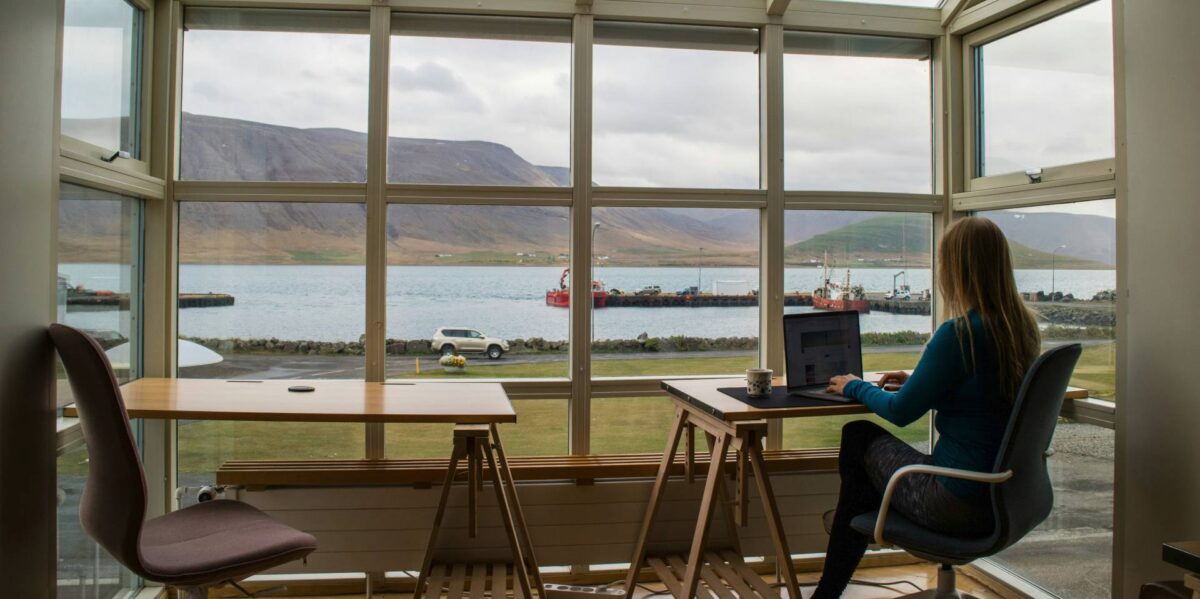
Five years after the beginning of the COVID-19 pandemic, workers are facing increasing pressure to return to the office. However, the benefits and flexibility granted by remote work cannot be easily forgotten, especially for working parents.
Recent data from the Angus Reid Institute shows that 59 per cent of Canadian workers would prefer to spend most or all their days working remotely. Among workers who have been brought back into the office, 27 per cent are “very upset” about the development and 24 per cent are “upset.”
In July, more than half of Fortune 100 desk workers were mandated back into the office. To Allison Vendetti, an HR professional and the founder of Moms At Work, the mandate against remote work will create particularly heavy burdens on working mothers and other people who take on caregiving labour in their family.
“I think remote work humanizes family caregivers and it respects the fact that people are allowed to have lives outside of work,” Venditti said. “It acknowledges that maybe a two hour commute isn’t going to be the best thing for your employees.”
LISTEN: What are the challenges facing working moms in 2025?
Venditti highlighted that the flexibility available through remote work is especially helpful to family caregivers as people’s medical needs become more complex. Canada’s population is aging. In July 2023, adults aged 65 and older made up almost 20 per cent of the population. By 2030, the number of adults 65 and older will be up to 23 per cent of the population.
Venditti said that as the population of seniors grows, people will be needing support in getting to doctor’s appointments and accessing care.
“Have you ever had an MRI? Those appointments are whenever they tell you they are,” Venditti said. “As people get older, develop knee problems and such, people will be spending more time in our healthcare system.”
She asserted that remote work options give people the flexibility to go to appointments in the middle of the day and tailor their work schedule to their responsibilities. A 2023 report by the Institute for Gender and the Economy showed that Canadian women perform twice as much unpaid care work as men, whether that be elder care or child care. Venditti said this gendered aspect to the issue demonstrates how the lack of remote work models are creating barriers for women’s economic participation.
“The rise in female self employment is 100 per cent dictated by that,” Venditti said, “because women are looking for remote work and control over their schedule. If companies had figured that out, they wouldn’t be losing women hand over foot.”
While remote work provides many benefits, the Angus Reid report also notes that loneliness, isolation and a lack of work-life separation could put remote workers’ mental health at risk. A recent report by Nathaniel Denaro, a researcher with the Canadian Centre for Policy Alternatives, indicates that Canada’s workforce is one of the most stressed in the world.
According to Denaro’s research, 43 per cent of Canadians feel they are under constant stress, while 36 per cent said they don’t have time for fun. There are also disparities between genders, with women feeling more pressed for time than men.
Given the high levels of stress already present in the Canadian workforce, risks to mental health should not be ignored. Venditti said the concerns around loneliness and work-life separation can be mitigated by the workers themselves.
She said remote-work is about autonomy, autonomy over one’s schedule and pace of work. This autonomy should also be used by the worker to ensure they are connecting with their community and disconnecting from when it is time to clock out. She highlighted that Ontario has “right to disconnect legislation” and stronger boundaries around work could allow for remote work to be more viable.
“To say that work from home is comfortable and possible, and the best option for everybody is wrong,” Venditti said. “But people are screaming that they want choice. They want some control over their choices, whether it’s women’s bodies, whether it’s politics. People want choice so they don’t feel pigeonholed into the things that they’re being forced to do.”
Support rabble today!
We’re so glad you stopped by! Thanks for consuming rabble content this year.
rabble.ca is 100% reader and donor funded, so as an avid reader of our content, we hope you will consider gifting rabble with a donation during our summer fundraiser today.
Whether it be a one-time donation or a small monthly contribution, your support is critical to keep rabble writers producing the work you’ve come to rely on as a part of a healthy media diet.
Become a rabble rouser — donate to rabble.ca today.
Nick Seebruch, editor