
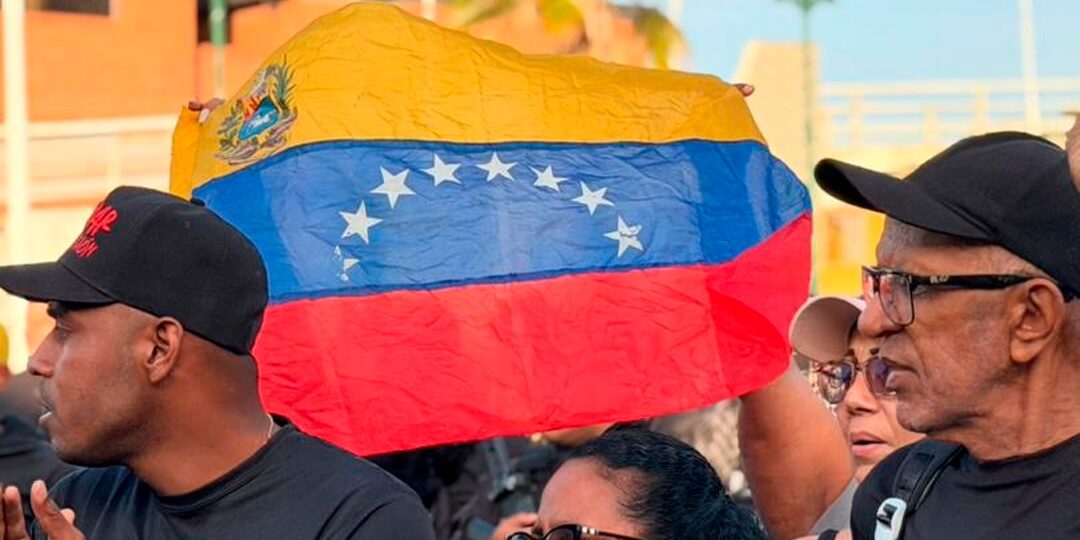
On January 3, 2026, U.S. forces conducted a military operation in Caracas, Venezuela, during which Venezuelan President Nicolás Maduro and his wife, Cilia Flores, were captured and flown to the United States. Maduro was subsequently arraigned in a New York federal court on drug related charges.
The move prompted shock and concern from the international community. On January 7 a panel of experts from the United Nations released a statement on the actions calling them illegal.
“The unprovoked use of armed force on Venezuelan sovereign territory is a clear breach of Article 2(4) of the UN Charter, which unequivocally prohibits the threat or use of force against the territorial integrity or political independence of any State. It may also constitute the international crime of aggression attributable to the individual political and military leaders involved”, the panel stated.
In response to President Trump’s claim that the United States would be running Venezuela until finding a new leader and that they would be “taking out a tremendous amount of wealth out of the ground,” the panel argued that such statements indicate a disregard for “the right of peoples to self-determination and their associated sovereignty over natural resources, cornerstones of international human rights law enshrined in Article 1 of the International Covenant on Civil and Political Rights, to which the United States has been a party since 1992.”
Canadian labour unions have been vocal in urging the federal government to adopt a similar position.
“Canada must join those in the international community in condemning this violation of international law and the United Nations Charter, and must work constructively to support dialogue, diplomacy, and peaceful solutions,” reads a statement from the Canadian Labour Congress.
Though Prime Minister Mark Carney did not directly endorse or condemn U.S. actions, he did welcome this as an opportunity to evoke more long term change for Venezuelan people and their right to truly exercise self determination.
While there is evidence Maduro has engaged in undemocratic actions as President, from barring opposition from running for office to press censorship, “it’s about oil… It’s not about who should be the leader,” said Fred Hahn, the President of the Canadian Union of Public Employees (CUPE) Ontario.
Hahn argues that previous American leaders often cloaked interventionism and imperial ambitions in the rhetoric of promoting freedom and democracy, whereas the current administration has been far more brazen, openly framing its actions as a means of extracting Venezuelan oil for American markets.
While many Venezuelans rushed to the streets to celebrate Maduro’s ousting, Hahn cautioned that moments of optimism can obscure a harsh reality. “Every time this kind of American intervention and imperialist intervention throughout history has happened, the people of that place don’t benefit. They might think they’re going to benefit and they don’t. Because it is never about them,” he said.
Unifor echoed a similar sentiment in a statement they released.
“Trump’s escalated threats and actions are designed to undermine the ability of nations that share the Western hemisphere to control their own economies, protect their jobs and industries, and make decisions in the interests of their people rather than under threat or retaliation from the United States,” the Unifor statement reads.
Many union heads feel workers in the targeted countries are particularly at stake when acts of aggression occur.
“Working people never ever benefit here… we are always the fodder in wars, we are the people who are sent to fight wars, it is our sons and daughters and children and young people who die,” said Hahn.
Labour unions feel the need to be vocal opponents against the American military’s latest action because their “members have more in common with the workers of Venezuela than we will ever have with the oil barons in the United States,” said Hahn.
There are fears from unions that these actions will not only harm individuals in Venezuela but will negatively impact workers in Canada as well.
If the United States is able to greatly increase their access to Venezuelan oil that could diminish Canada’s role as an energy producer, in turn leading to lay offs and reduced wages in that industry.
There are also concerns that if any prolonged instability or military action arises from the American ousting of Maduro that it could have a negative impact on global markets creating a knock on effect for workers here.
“Canada must take every available action to defend workers in industries under attack, including energy sector jobs at risk. At the same time, we must make strategic investments to strengthen domestic infrastructure, protect good jobs, and build new opportunities that reduce our economic dependence on the United States,” the Unifor statement goes on to read.
Labour leaders argue that the fate of workers abroad is inseparable from the fate of workers in Canada, and that both domestic and foreign policy must reflect this reality.
“We have to start to understand the way in which we are all connected… All of our futures are at risk,” said Hahn.
Support rabble today!
We’re so glad you stopped by! Thanks for consuming rabble content this year.
rabble.ca is 100% reader and donor funded, so as an avid reader of our content, we hope you will consider gifting rabble with a donation during our summer fundraiser today.
Whether it be a one-time donation or a small monthly contribution, your support is critical to keep rabble writers producing the work you’ve come to rely on as a part of a healthy media diet.
Become a rabble rouser — donate to rabble.ca today.
Nick Seebruch, editor