

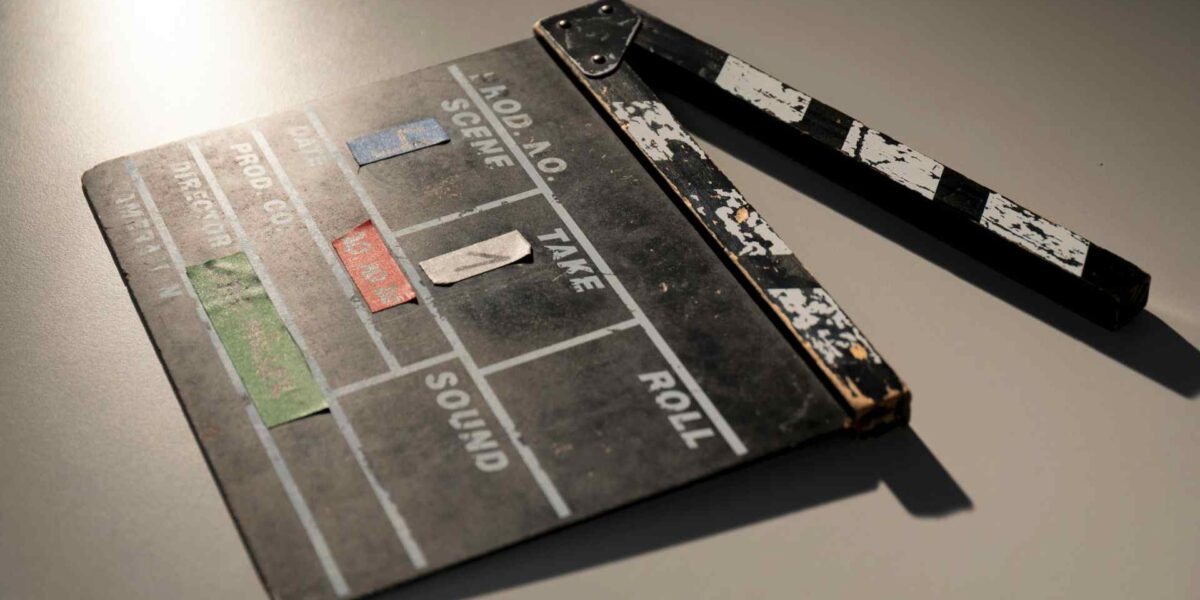
Film industry workers in Canada and the U.S. would be hit by the foreign film tariffs proposed by U.S. president Donald Trump on Sunday night.
In a post on Truth Social, Trump said he wants to see a 100 per cent tariff on all movies produced outside of the U.S. These tariffs have not yet been implemented. Trump has signed no executive orders on this topic and the White House said on Monday that there have been no final decisions on implementing foreign film tariffs.
Many films are shot in Canada because provinces offer tax incentives to attract film makers. This is part of what president Trump takes issue with, saying that the filmmakers moving abroad has been devastating for Hollywood and other areas within the U.S.
Although foreign film tariffs have not yet been implemented, ACTRA—Canada’s union for radio, film, and television performers—was quick to respond.
“This is more than a trade dispute — it’s an attack on the livelihoods of Canadian performers and creators,” said ACTRA National president Eleanor Noble.
The union noted that the Canadian film sector contributed over $11 billion to the country’s GDP in 2023 to 2024. The union says cultural tariffs would destabilize Canada-U.S. industry collaboration and threaten thousands of jobs.
Performers are not the only workers who could be affected. Set designers, makeup artists, editors and many more behind-the-scenes workers could see their livelihoods affected. In Canada and the U.S., many of these workers are represented by the International Alliance of Theatrical Stage Employees (IATSE).
In response to Trump’s proposal, IATSE has called for a balanced approach that protects American jobs without harming Canadian workers.
“IATSE recommended that the Trump administration implement a federal film production tax incentive and other domestic tax provisions to level the playing field for American workers,” said International President Matthew D. Loeb.
While IATSE says Trump has correctly identified that many American jobs are affected by filming in countries like Canada, that does not mean a 100 per cent tariff will support American workers. Rodrigo Balbontin is associate director for trade, IP, and digital technology governance at the U.S. based think tank the Information Technology and Innovation Foundation. He said that Trump’s idea could undermine the American film industry.
“Thanks to its digital economy, the United States has a global trade surplus on services, including films and TV, and America’s top companies export digital services,” Babontin said. “Expanding the trade war to the digital service sector will create a retaliation risk to one of the United States’s unique advantages: American creativity, innovations, and specialized knowledge.”
For Canadians, Trump’s idea to impose a foreign film tariff is just the latest of his ongoing trade war that has cost thousands of people their livelihoods. According to Statistics Canada, employment in the country decreased by 33,000 in March, the first decrease since January 2022.
Even without a film tariff implemented, the mere threat of it can disrupt an industry. In a March speech, Bank of Canada president Tiff Macklem said the unpredictability of US policy has already led some businesses to lower their outlook for future sales, delay investment and delay new hiring.
Newly elected Prime Minister Mark Carney met with President Trump on Tuesday for a discussion Carney called ‘wide-ranging’ and ‘very constructive.’ Carney said he cannot give a timeline for when tariffs will be lifted but he made a case for their end.
“In other areas the tariffs are, in our view, not in the interests of American competitiveness and jobs,” Carney told reporters on Tuesday.
“It’s a complex negotiation,” Carney added. “There’ll be zigs and zags, difficult aspects to it, but the prospect is there.”
Support rabble today!
We’re so glad you stopped by! Thanks for consuming rabble content this year.
rabble.ca is 100% reader and donor funded, so as an avid reader of our content, we hope you will consider gifting rabble with a donation during our summer fundraiser today.
Whether it be a one-time donation or a small monthly contribution, your support is critical to keep rabble writers producing the work you’ve come to rely on as a part of a healthy media diet.
Become a rabble rouser — donate to rabble.ca today.
Nick Seebruch, editor